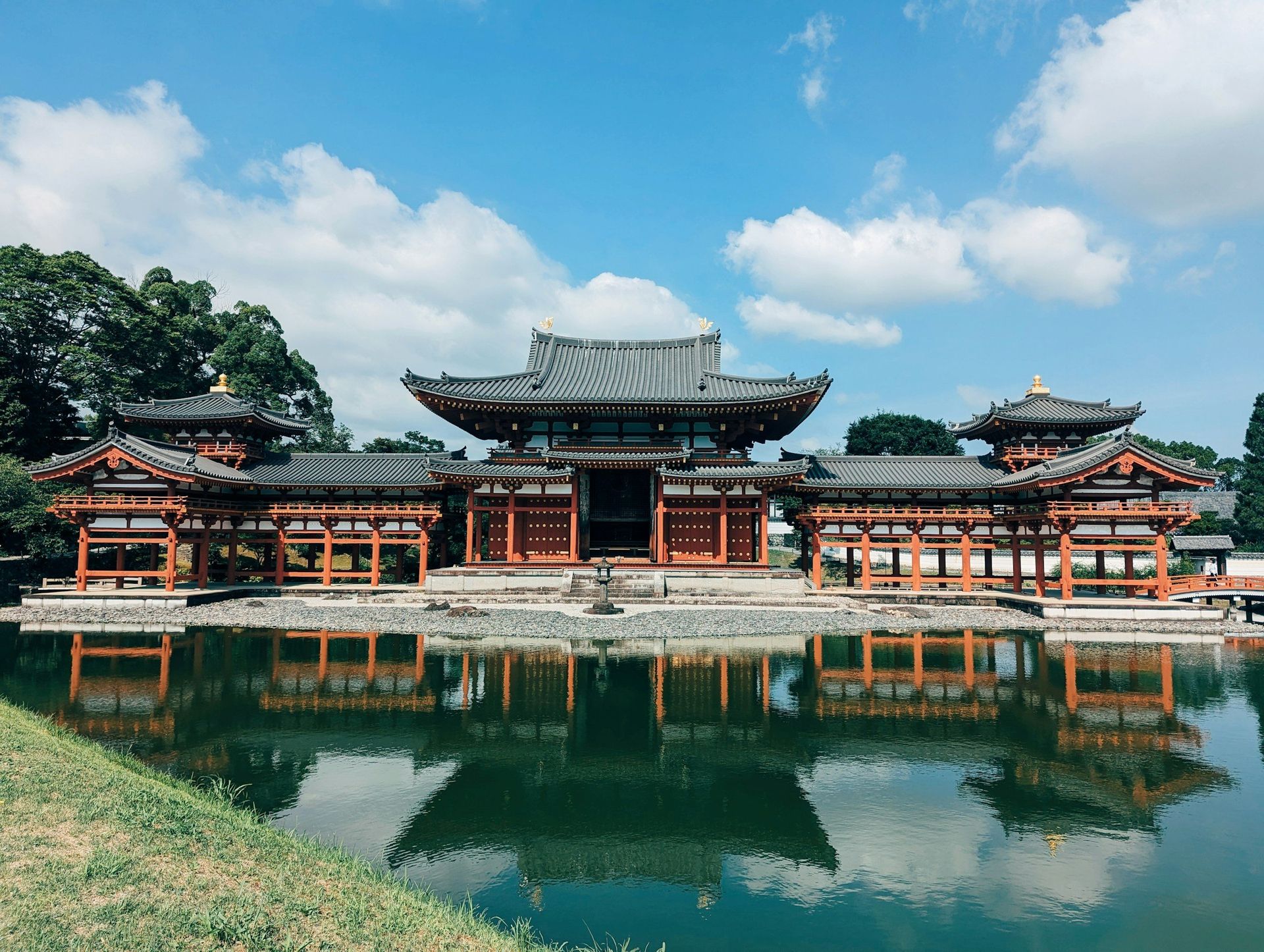
From Chang’an to Kyoto: a Japan–China architecture tour
One private journey through both countries, following timber halls, pagodas and city plans from Tang-dynasty China to the Japanese temples built in their image.
Plan this journeyOne story, told in two countries
In the 7th and 8th centuries Japan sent envoys and monks to Tang China and brought home Buddhism, writing, law and a way of building. Nara’s capital, Heijō-kyō (710), and Kyoto’s, Heian-kyō (794), were both laid out on a grid modelled on the Tang capital Chang’an, today’s Xi’an.
Much of China’s timber architecture from that age was later lost, and some of the closest surviving echoes of it stand in Japan. This journey sees both sides: the Chinese originals that survived, then their Japanese descendants.
China first, then Japan
The order and pace are set around you. The journey can also run in reverse, Japan first.
Part one China: the originals
-
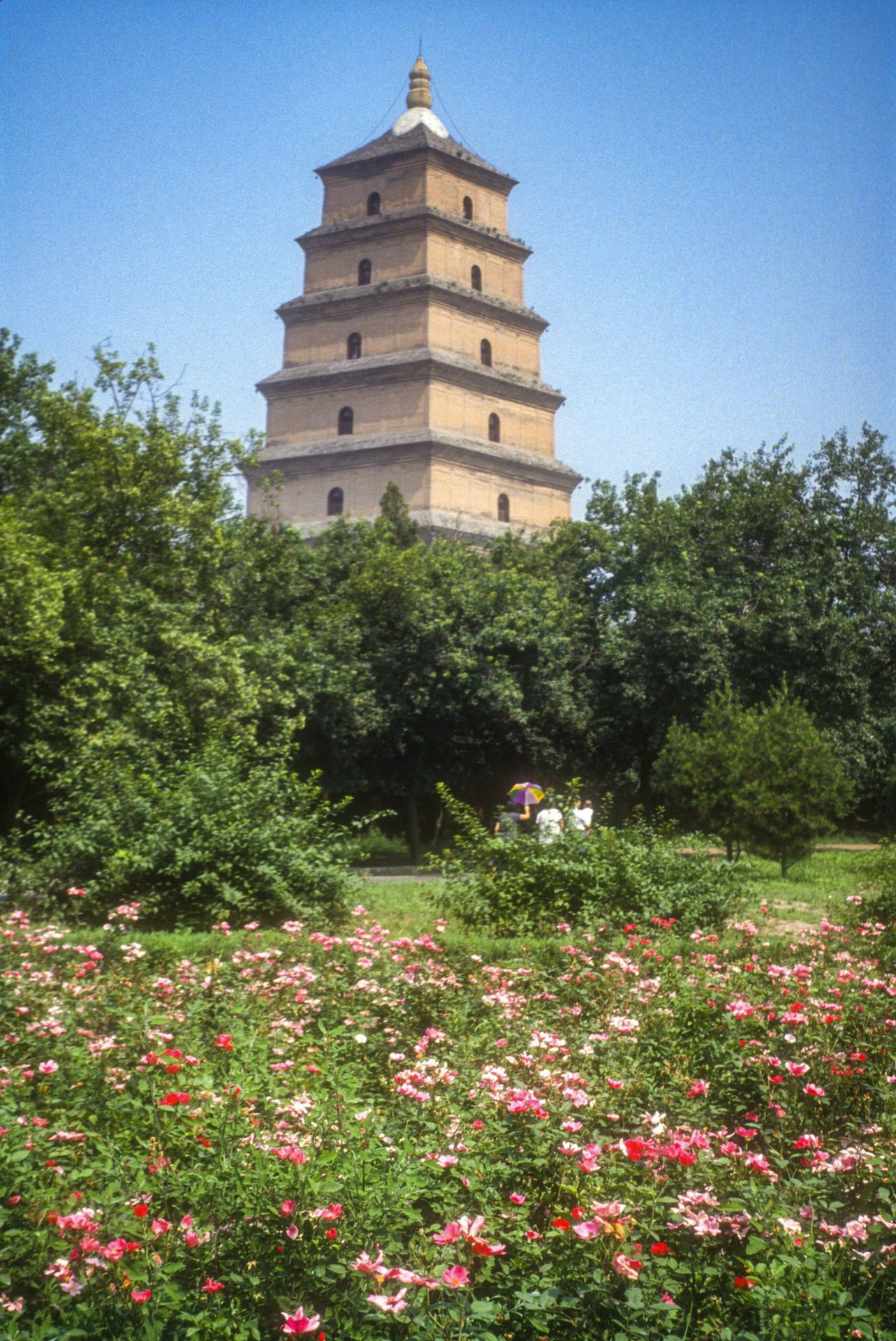
Xi’an
Once Chang’an, the Tang capital and the model for Japan’s first planned cities. The Giant Wild Goose Pagoda was first built in 652 to hold the sutras the monk Xuanzang brought back from India.
-
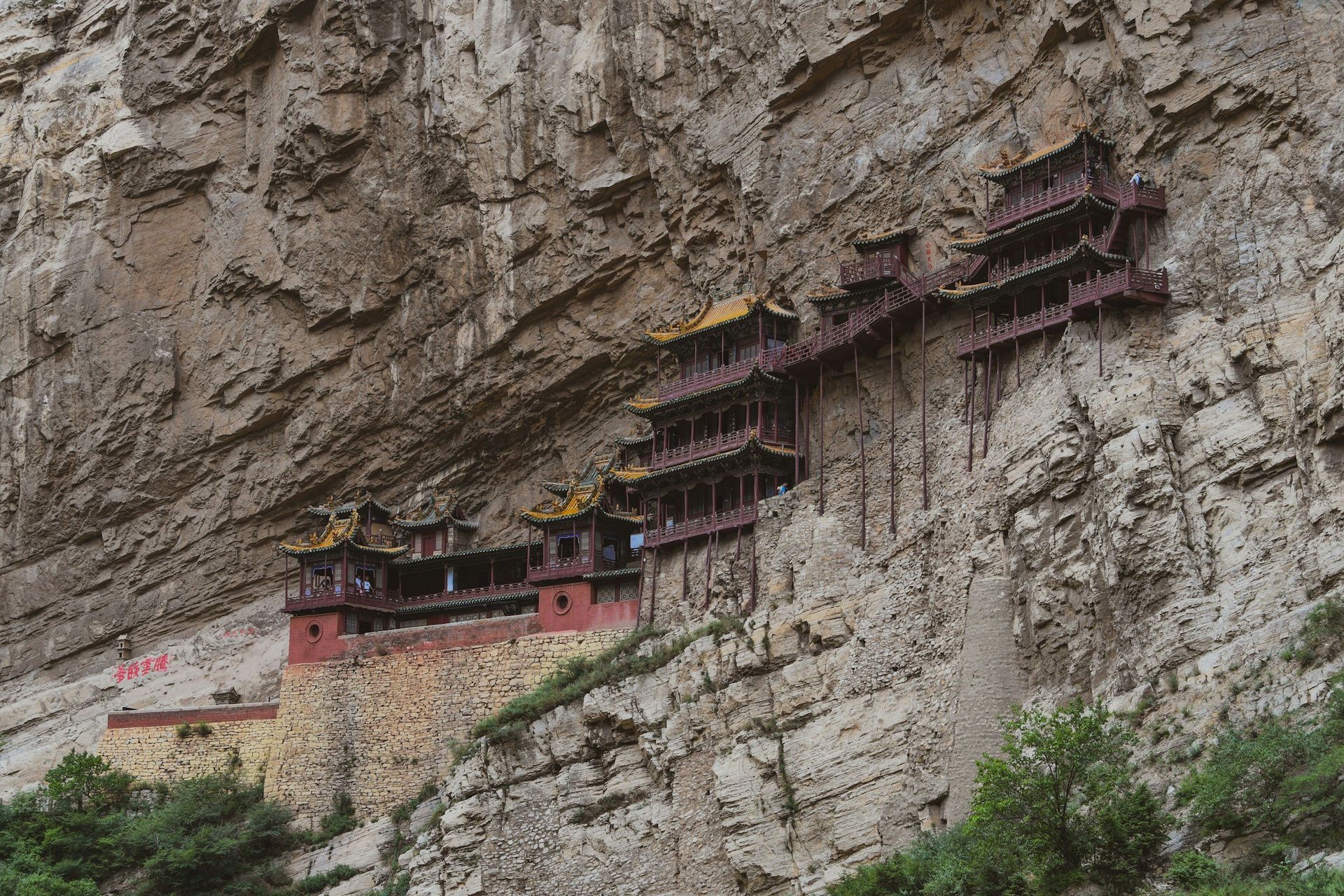
Datong
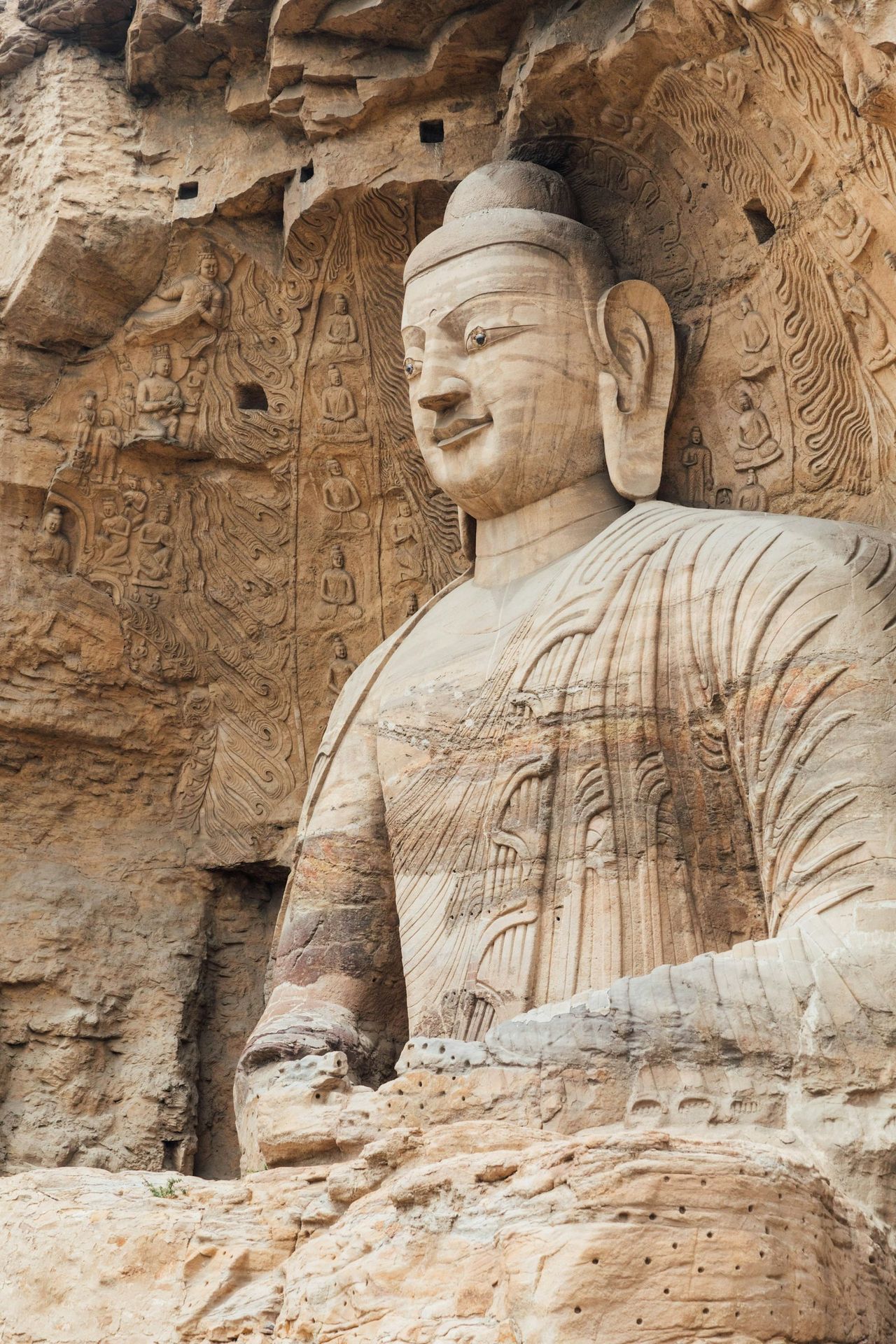
Capital of the Northern Wei. The Yungang Grottoes, carved from the 5th century, hold tens of thousands of Buddhist statues; nearby, the Hanging Temple is pinned to a cliff face below Mt Heng.
-
Yingxian
The Wooden Pagoda of Fogong Temple, built in 1056, is the oldest and tallest all-timber pagoda standing in China, at about 67 metres.
-
Mount Wutai
Two of China’s oldest surviving timber halls: the main hall of Nanchan Temple (782) and the East Hall of Foguang Temple (857), which the architects Liang Sicheng and Lin Huiyin identified in 1937.
Part two Japan: the descendants
-
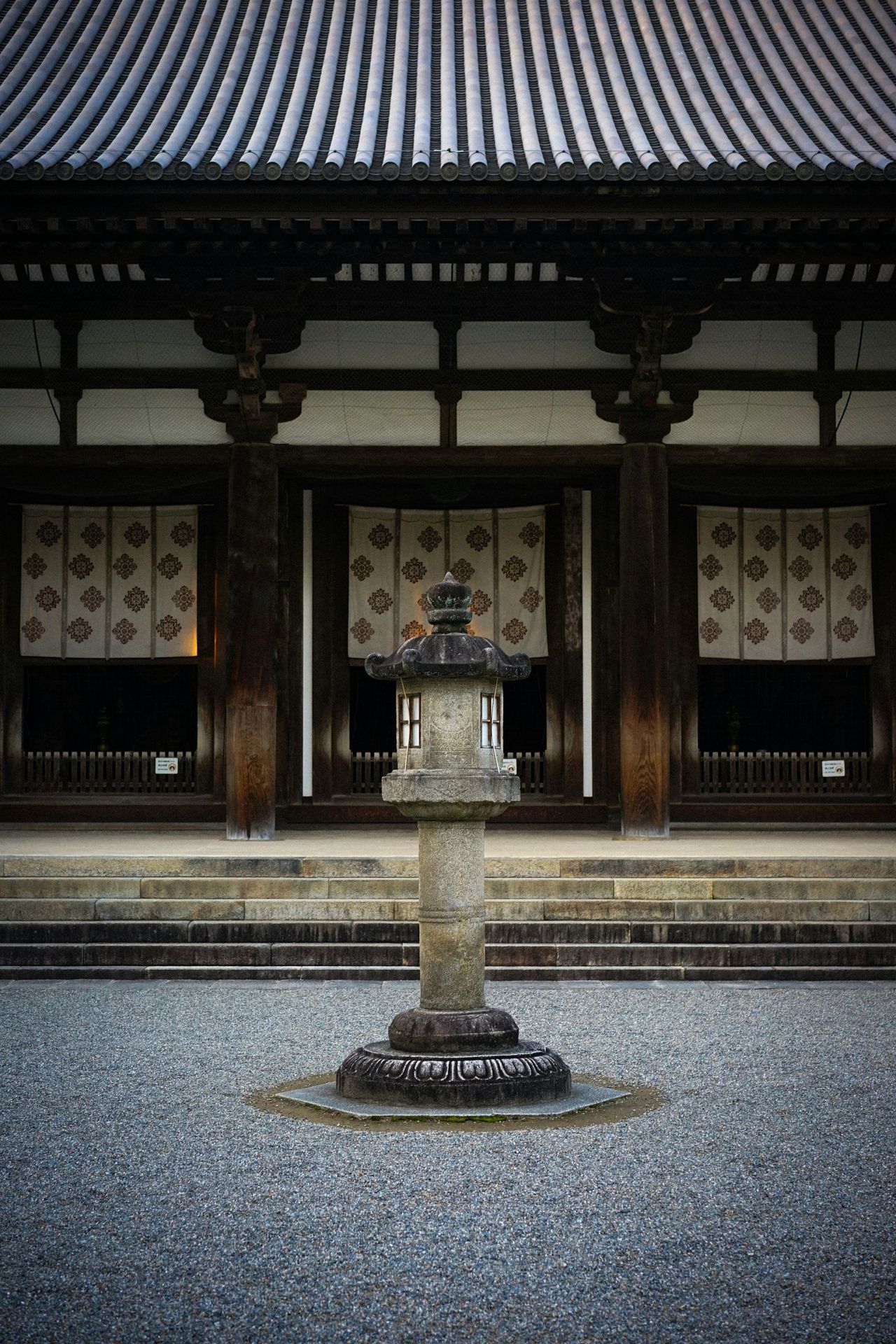
Nara
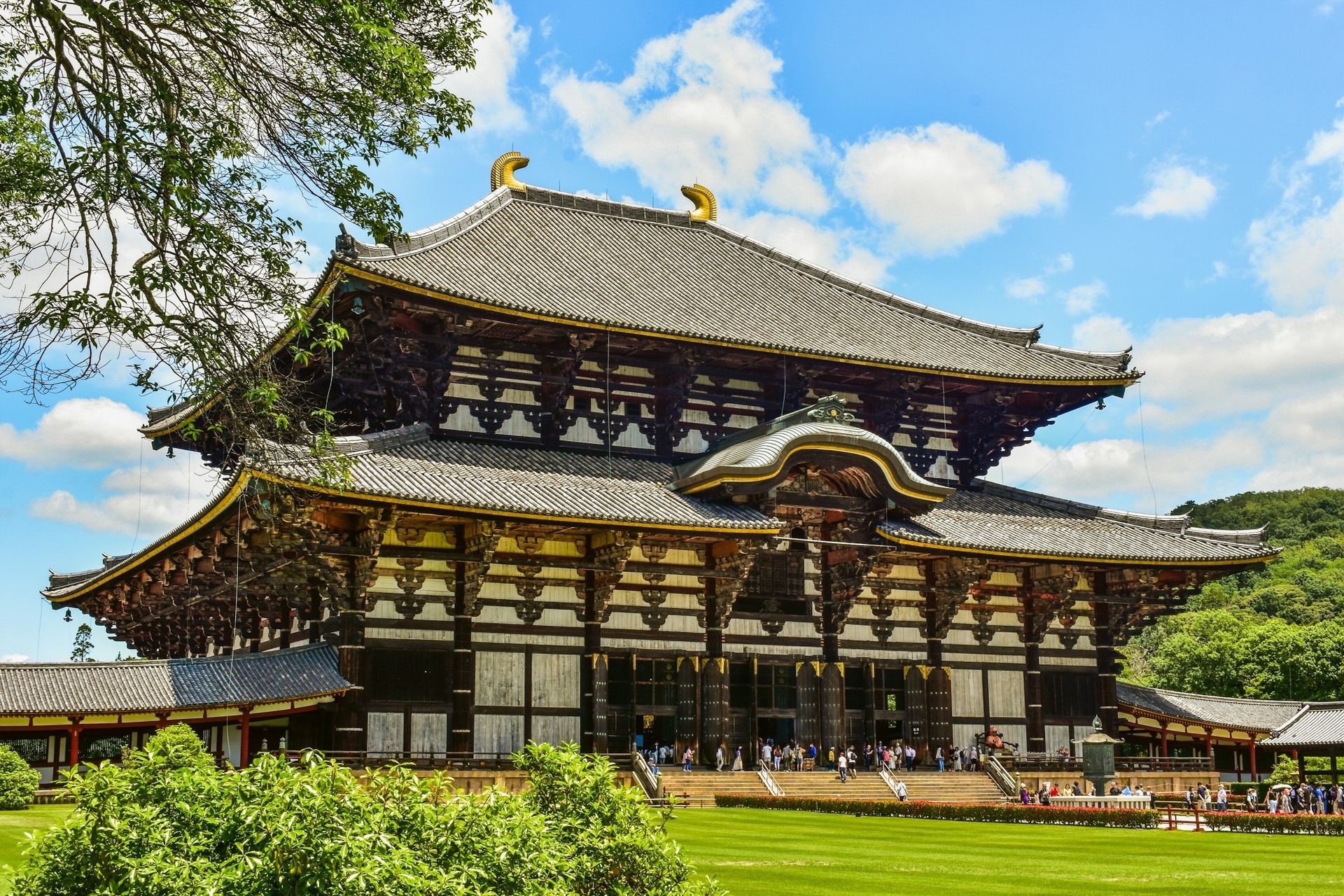
Hōryū-ji, whose buildings are among the oldest wooden structures in the world; Tōdai-ji and its Great Buddha Hall; and Tōshōdai-ji, founded in 759 by the Chinese monk Jianzhen (Ganjin), who reached Japan on his sixth attempt.
-
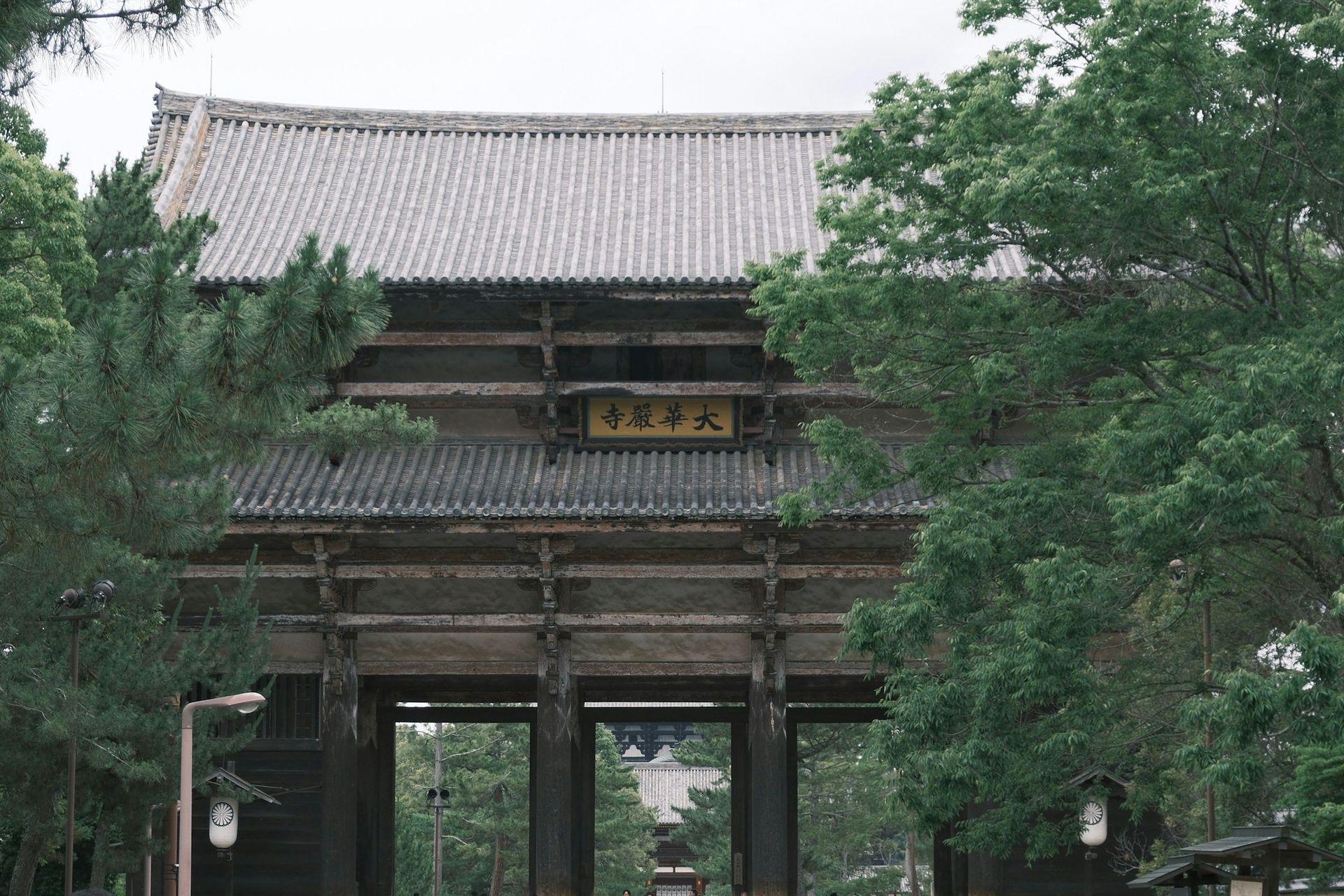
Tōdai-ji’s Great South Gate
Rebuilt in 1203 in a style brought from Song-dynasty China: a second wave of Chinese influence, five centuries after the first.
-
Uji
Byōdō-in’s Phoenix Hall (1053), the hall on Japan’s 10-yen coin, built as a vision of the Pure Land paradise on the edge of its pond.
-
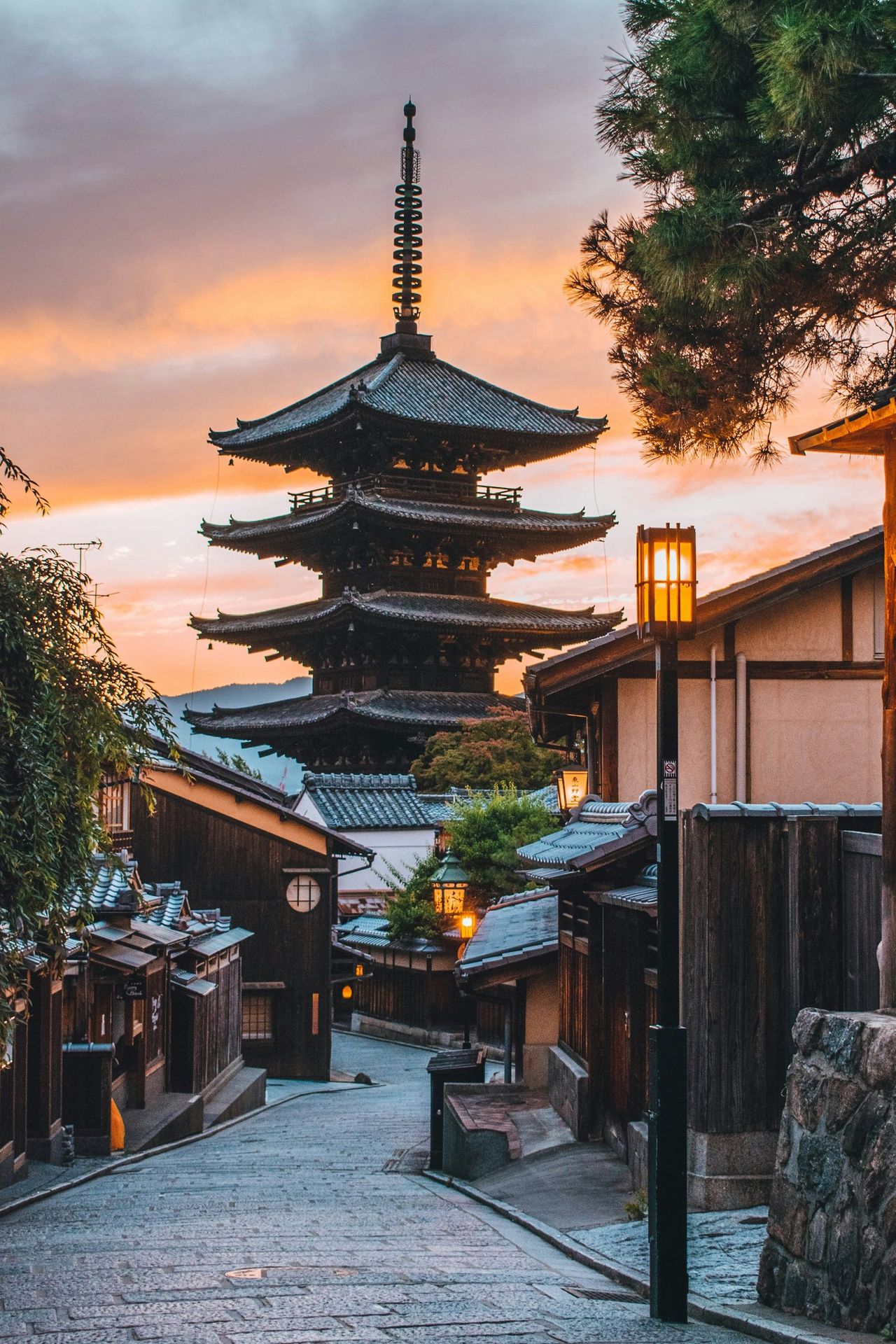
Kyoto
Laid out in 794 on the Chang’an grid. Its temples and pagodas show how Chinese forms became distinctly Japanese over a thousand years.
Private from start to finish
Your own guides in each place, chosen for what they know about these buildings; private vehicles; and stays picked for character rather than size. We handle the crossing between the two countries, so the journey runs as one trip, not two.
It suits architects, designers and anyone who wants to understand why a temple in Nara looks the way it does. Every trip is priced to your dates and group: tell us what you have in mind and we will send a costed proposal.
Plan your architecture journey
Tell us your dates, who is travelling and what you have in mind. We reply within one business day with ideas and next steps. No obligation.